Living room design in Jaipur: space for everyday life
Living rooms
4 min read
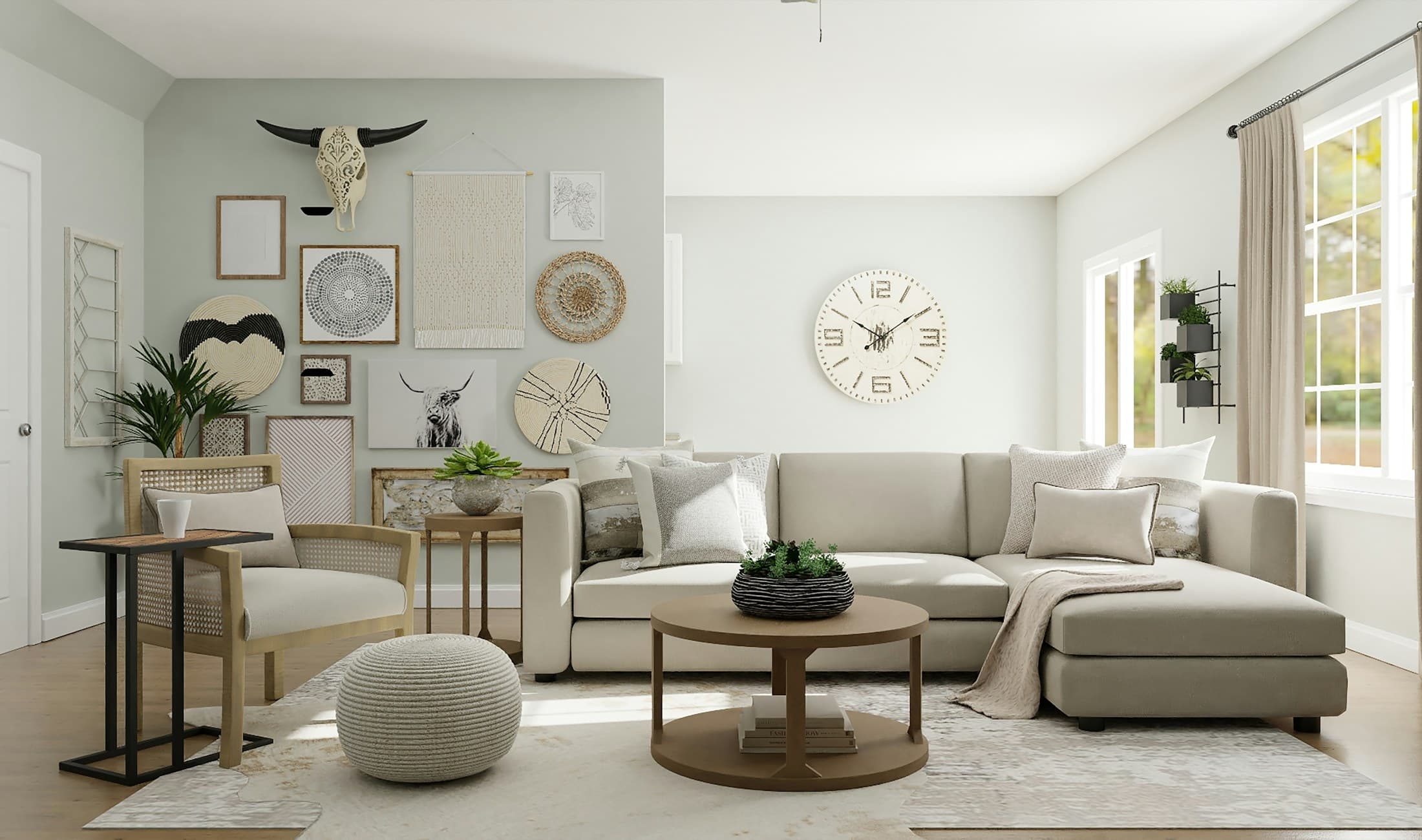
Create a Jaipur living room that works for family time and guests. Plan seating, circulation, television placement and materials before adding decorative layers.
A living room often has two different lives: the everyday room used by the household and the room prepared when guests arrive. Designing only for the second can produce formal seating that is rarely comfortable for the first.
For a Jaipur home, begin with the number of people who use the room on an ordinary evening. Then draw a second arrangement for a larger gathering. The difference between the two tells you which pieces should be permanent and which might move.
Choose a conversation layout, not just a sofa
Measure the room and mark the routes between the entrance, dining area, balcony and adjoining rooms. Place the main seats so those routes do not cut repeatedly through the conversation. A sofa can face a television without making every other seat feel secondary.
Compare the complete arrangement rather than the sofa in isolation. A large sectional may leave less room for flexible chairs; a smaller sofa may work better with a pair of movable seats. Show side tables and the space needed to reach them. Attractive furniture still has to fit when people are sitting in it.
Decide what the television should dominate
Test the screen position in relation to the most-used seats and the windows. Visit at different times of day to understand reflections before fixing the furniture. In a bright Jaipur living room, adjusting the viewing direction may be worth considering before adding heavier window treatments.
Plan equipment, sockets and cable access with the unit. Leave the clearances required by the selected equipment and keep service points reachable. A completely sealed decorative panel can make an ordinary repair unnecessarily difficult.
Give guests a place without crowding daily life
Occasional seating can come from a chair, bench or stool used elsewhere, provided its movement has been considered. Draw where it sits during a gathering and where it returns afterwards. Keep the route to doors and adjacent rooms clear in both arrangements.
Think beyond the number of seats. People also need somewhere to place a cup, a bag or a serving tray. A collection of small tables may offer flexibility, but only if it does not leave the room cluttered between visits. Select the approach that matches how you actually host.
Use Jaipur references in a measured way
If you want a local reference, begin with something you value: a textile, an object or a material finish. Let its colour or texture guide a few related choices. Repeating the same motif on every surface can make a room feel more prescribed than personal.
Keep a sample group small enough to judge together. Compare the sofa fabric, curtain, rug and principal hard finishes in the actual space. Leave some room for existing possessions rather than purchasing every visible object as a matching set.
Choose upholstery for the household using it
Ask the supplier about cleaning, intended use and the construction of the specific fabric. Removable covers, replaceable cushions or an accessible repair service may matter more to your household than a subtle difference in showroom colour.
Test seat depth, back support and the height of the furniture in person where possible. Different people find different proportions comfortable. Include the needs of older family members or anyone who finds very low furniture difficult, rather than making a decision solely from a photograph.
How do you know when to stop adding things?
Review the room with the essential furniture, lighting and window treatments in place before filling every surface. Check whether the entry view feels clear and whether daily movement is easy. A quiet wall or an empty corner can be a useful part of the composition.
At dreaminc, the brief for a Jaipur living room is not to fill a list of decorative features. It is to make a room that accommodates conversation, ordinary routines and the objects its occupants choose to keep.
Planning your own space?
Explore our interior design portfolio or discuss your project with our Jaipur studio.