Home lighting in Jaipur: plan beyond the ceiling
Lighting
4 min read
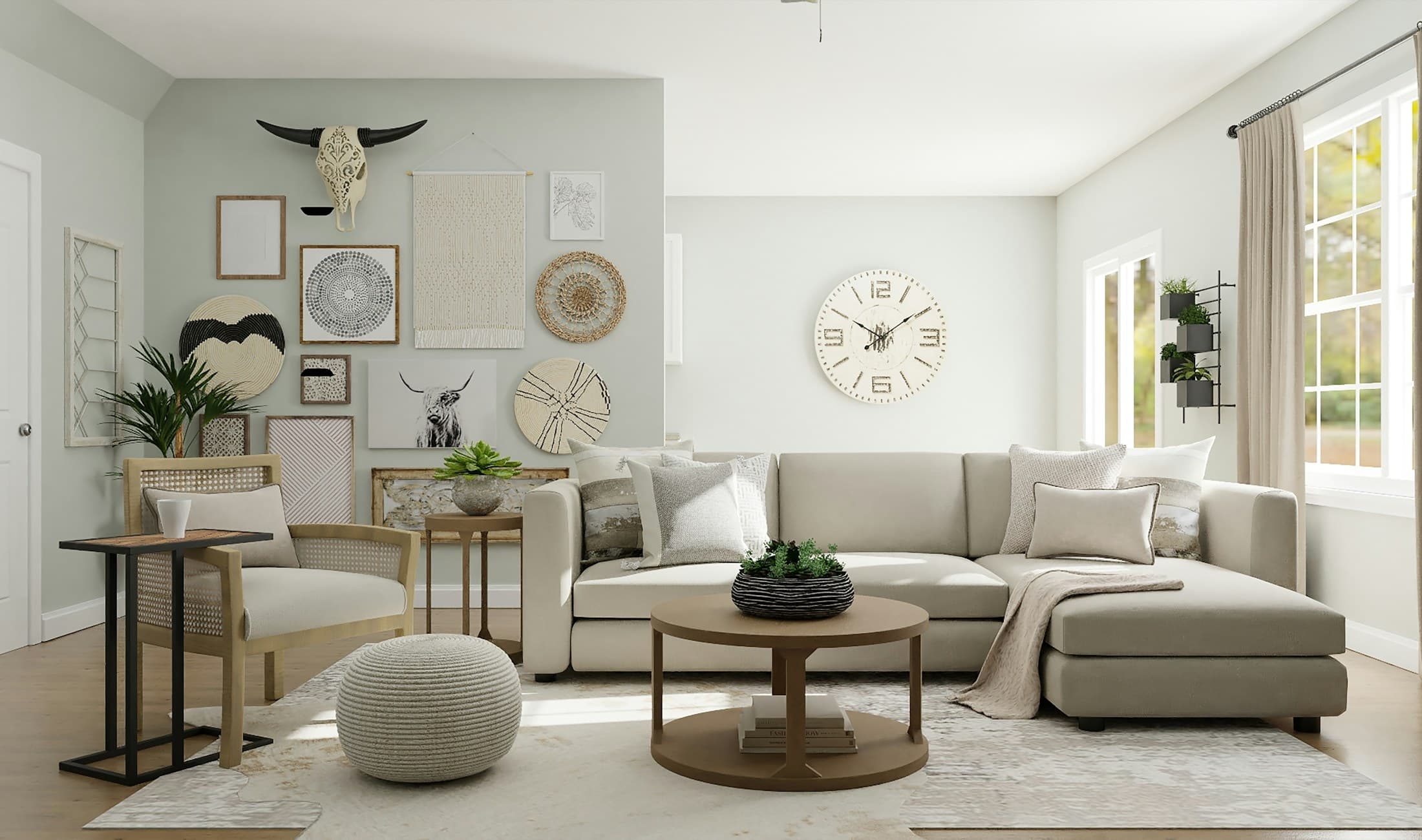
Design lighting for a Jaipur home around reading, cooking, conversation and changing daylight, with practical checks for glare, switches and fixture placement.
A lighting plan is not simply a pattern of fittings on a ceiling. It is a plan for what people need to see, where they sit and how a room changes through the day. A Jaipur living room can be bright in the afternoon yet need a very different arrangement for reading or receiving guests after dark.
Before choosing a decorative light, draw the furniture and list the room's activities. That keeps lighting connected to use. Otherwise, a perfectly symmetrical ceiling layout may illuminate the floor while leaving a chair, worktop or wardrobe difficult to use.
Begin with the tasks, then add atmosphere
Identify the places where light needs to support a specific action: reading in a chair, preparing food, checking clothes, working at a desk or finding the entrance keys. Test those locations from the position of the person using them.
Background light should help the room feel coherent, while local light supports individual tasks. A decorative fitting can contribute to either, but should not be expected to solve every requirement alone. Decide what each fitting is doing before multiplying the number of fixtures.
Watch the actual daylight before fixing the layout
Observe your Jaipur rooms at more than one time of day. A desk that works beside a shaded window may become uncomfortable when a direct beam reaches the screen. A pale wall opposite a window can appear much brighter than a deeper part of the same room.
Coordinate curtains and blinds with artificial lighting. The room should still function when a privacy layer is drawn. Avoid choosing darker furnishings solely to compensate for a bright moment without considering how they look during the rest of the day.
Check glare from the seat, not only from the doorway
Look toward proposed fittings while seated on the sofa, lying on the bed and standing at the kitchen counter. A source hidden from someone entering the room may be directly visible from the position where you spend time. Shiny surfaces can also reflect a source into your view.
Ask to see the intended lamp or fitting in operation where possible. A photograph of a lit room does not reliably show brightness or visual comfort. If a fixture is prominent in your field of view, discuss shielding, positioning and a suitable output with the lighting designer.
Use the wall and furniture as part of the composition
Lighting a wall, shelf or piece of artwork can give a room depth without putting every source overhead. The placement should follow the object and its surroundings rather than a generic ceiling grid. Check how beams and shadows meet corners, curtains and tall cabinets.
In a room with stone or textured plaster, try a sample of the proposed lighting position before repeating it. Light close to a surface can emphasise small irregularities as well as intended texture. Decide whether that effect supports the finish you selected.
Plan controls around the way you enter and leave
List the lighting combinations you would genuinely use: cleaning, everyday evening use, reading or a quieter gathering. Group controls around those situations instead of making every switch operate an arbitrary stretch of ceiling.
Check switch locations against open doors, headboards and joinery. Where dimming is wanted, have the designer and electrician confirm compatibility between the selected controls, drivers and fittings. Electrical design and installation should be handled by qualified professionals, not improvised during the final styling stage.
What should be checked after installation?
Review the lighting after dark with furniture in place. Test normal combinations, inspect reflections and check whether reading and preparation areas work as intended. Adjust aimable fittings before deciding that more lights are needed.
Keep a record of lamp and driver references so replacements can be selected consistently. For dreaminc in Jaipur, a resolved lighting scheme should let a room move comfortably between activities while allowing its materials and proportions to remain visible.
Planning your own space?
Explore our interior design portfolio or discuss your project with our Jaipur studio.