Designing with Jaipur light
Climate & light
6 min read
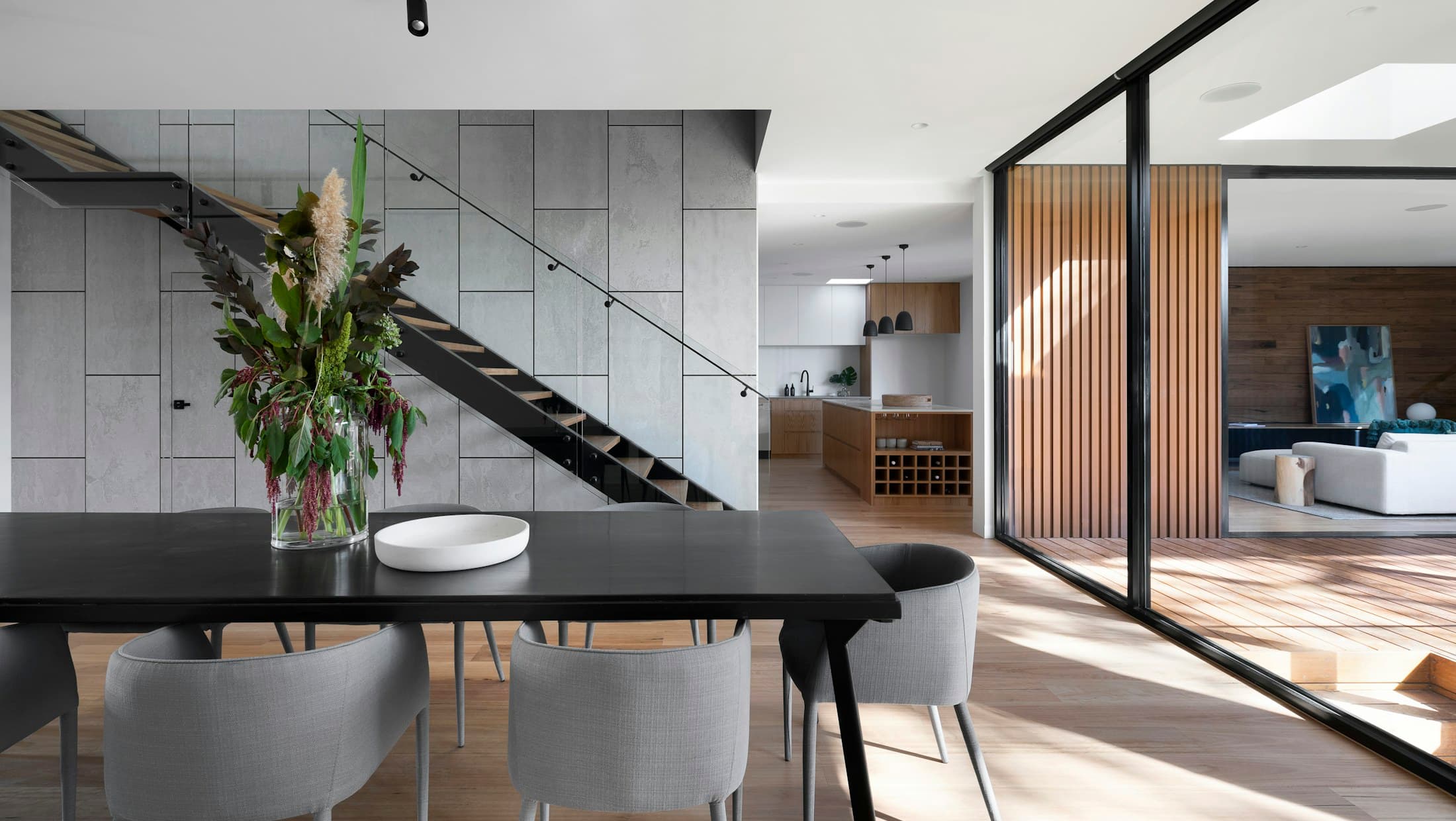
A practical guide to orienting rooms, openings and thresholds for Jaipur’s intense sun, long summers and luminous winter days.
In Jaipur, daylight is abundant; useful daylight is carefully made. The task is not to invite as much sun as possible, but to shape its entry so a room remains calm from morning to evening.
Orientation, depth and material work together. A window is only one part of that assembly. The shaded space before it, the wall around it and the surface receiving the light matter just as much.
Begin with orientation, not a window catalogue
North light is generally the most even and forgiving for workspaces, studios and rooms used through the day. East-facing openings bring a shorter, gentler period of direct sun. South and west exposures ask for deeper protection, particularly where late-afternoon heat can linger in the building fabric.
Before deciding the size of an opening, map when the room will be occupied. A breakfast space and a bedroom do not need the same light at the same hour. This simple overlap between use and orientation prevents many corrective layers later.
Make shade part of the room
A recessed opening, verandah, chhajja or screened threshold creates a gradient between exterior brightness and interior quiet. That gradient reduces glare and gives the eye time to adjust. It also makes the edge of a room inhabitable rather than treating the façade as a thin line.
- Use depth to stop high summer sun before it reaches the glass.
- Let side walls or fins temper low-angle east and west light.
- Place seating where reflected light arrives, not in the direct beam.
Choose surfaces by what they do to light
Pale lime plaster can spread light softly, while polished stone may produce a sharper reflection. Dark timber absorbs and steadies a bright composition. The right palette is therefore not only a matter of colour; it is a way of controlling contrast.
Mock-ups are valuable because small finish samples conceal this behaviour. View a larger panel on site at several hours of the day, alongside the actual floor and ceiling materials.
A good daylight plan is measured by the hours a room feels comfortable, not by how bright it looks in one photograph.
Design for change across the day
The most enduring interiors do not hold one fixed lighting effect. They allow morning, noon and evening to register differently without making the space difficult to use. When natural and electric light are planned together, artificial lighting can support that rhythm instead of flattening it.
Planning your own space?
Explore our interior design portfolio or discuss your project with our Jaipur studio.