Jaipur-inspired interiors: working with local craft
Craft & materials
4 min read
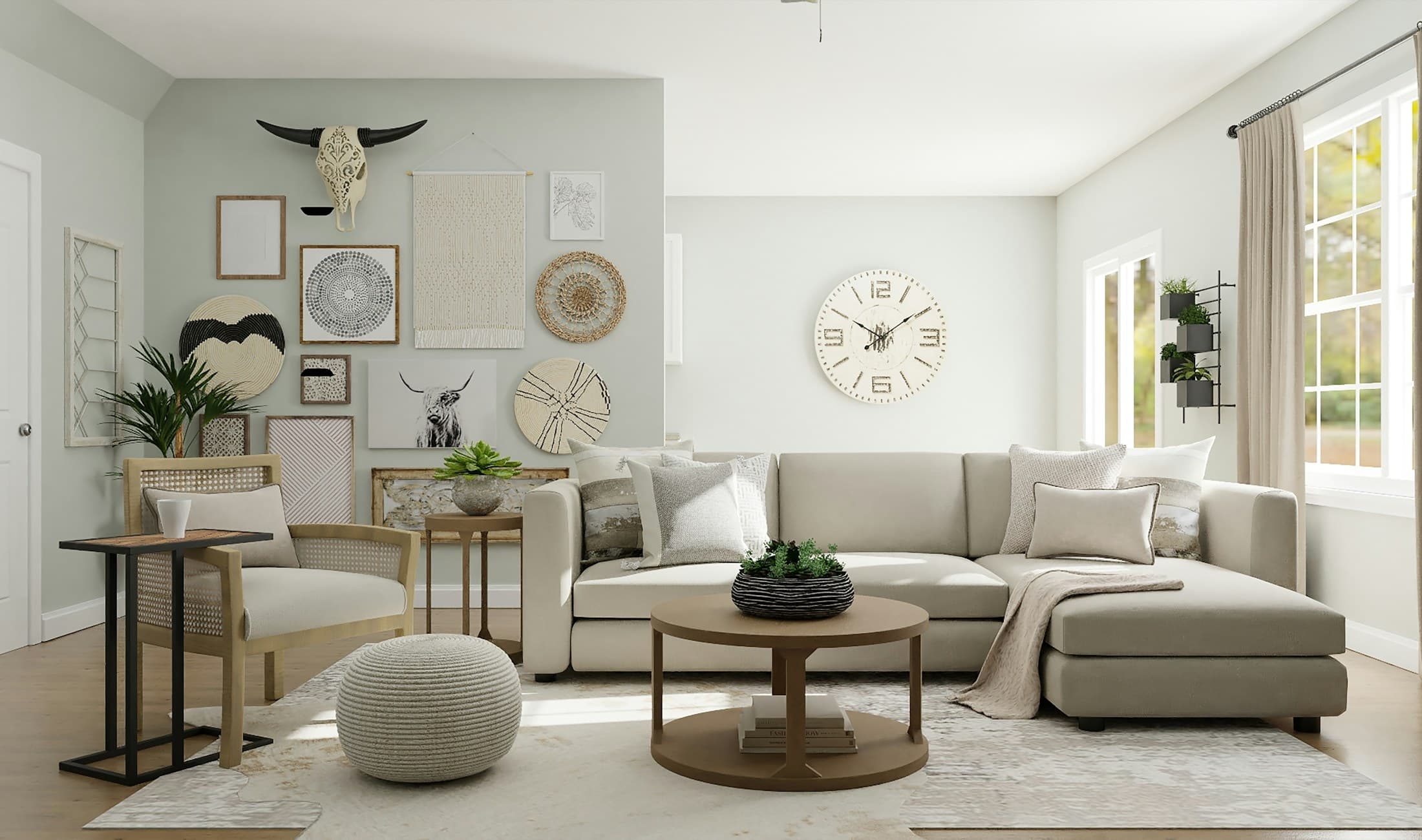
Bring Jaipur character into a contemporary home through pattern, colour and handmade details. A practical guide to samples, placement and working with makers.
A Jaipur-inspired interior does not need a decorative arch on every wall or a room filled with the same motif. A more personal approach begins with something you genuinely want to live with: a patterned fabric, a handmade object, a carefully finished surface or the proportions of an older room.
Jaipur's craft context offers a starting point, not a fixed style specification. A Sanganeri-print textile, for example, can be considered for its pattern and colour rather than used to dictate every other finish. For a contemporary home, the design question is how to make a local reference useful and personal without presenting a collection of souvenirs.
Choose one element to lead the room
Start with the element that deserves attention. It might be a textile you already own, a piece commissioned from a maker or a stone surface with a distinctive grain. Set it against quieter finishes so its scale and texture remain visible.
Look at the room from the entrance as well as from a seat. A small repeated pattern can read as texture from a distance; a large motif becomes a stronger graphic. Neither is inherently better, but they create different levels of activity. Test the amount of pattern before repeating it across curtains, cushions and upholstery.
Translate colour rather than copying a landmark
The familiar pink-city reference can become a muted plaster tone, a warm textile or a smaller accent instead of a literal pink room. Compare the colour beside the actual floor, timber and window frame. A shade chosen on a bright screen may feel quite different on a large surface.
Keep an approved sample on site. View it in daylight and under the intended electric lighting before placing a full order. This is especially important when several makers or suppliers are working from a colour name rather than the same physical reference.
Give handmade pieces a precise brief
Handmade does not mean unspecified. Agree on dimensions, materials, intended use, edge details and acceptable variation. Ask which stages can be sampled, what can be adjusted and when approval is needed. Record the approved sample so the maker, designer and installer are discussing the same result.
Discuss how the piece will be fixed, supported, cleaned and eventually repaired. A wall panel needs a mounting detail; a textile needs a suitable lining and fixing; a heavy object needs an appropriate support. The craftsmanship should be supported by equally careful installation.
- Ask who made the work and where it was produced; do not assume that a Jaipur retail address proves origin.
- Confirm whether variations in colour, pattern alignment or texture are expected.
- Agree on packaging, delivery access and who is responsible for installation.
- Keep the maker's care instructions and an extra sample or spare component where practical.
Match the material to the job
A decorative object and a hardworking surface have different requirements. Before specifying a handmade tile for a wet area, for example, ask the supplier for evidence that the exact product and installation system suit that use. Do not infer performance from appearance or a general craft label.
For fabrics, discuss cleaning, sunlight exposure and suitability for upholstery or curtains. For stone and timber, ask about the proposed finish and repair method. These questions protect both the room and the work of the maker; they do not diminish the value of making something by hand.
Can craft work in a minimal apartment?
Yes. A single expressive piece can sit comfortably within a simple room when its size, placement and surrounding colours are considered. You do not need to add more references merely to make the local connection obvious.
Leave breathing room around an important object and give it appropriate light. If several pieces matter to you, arrange them as a considered group rather than spreading them evenly across every available surface. The result can remain recognisably personal without becoming visually busy.
Build a home that can keep growing
Leave some decisions open for objects you discover or commission later. A home feels more individual when it can accommodate a changing collection, not only the items purchased for the day it is photographed.
At dreaminc in Jaipur, material and proportion provide the framework for those layers. Craft is most convincing when it belongs to everyday life: a surface you touch, a fabric you use or an object you would keep even if the room around it changed.
Planning your own space?
Explore our interior design portfolio or discuss your project with our Jaipur studio.