How to choose an interior designer in Jaipur
Planning your home
4 min read
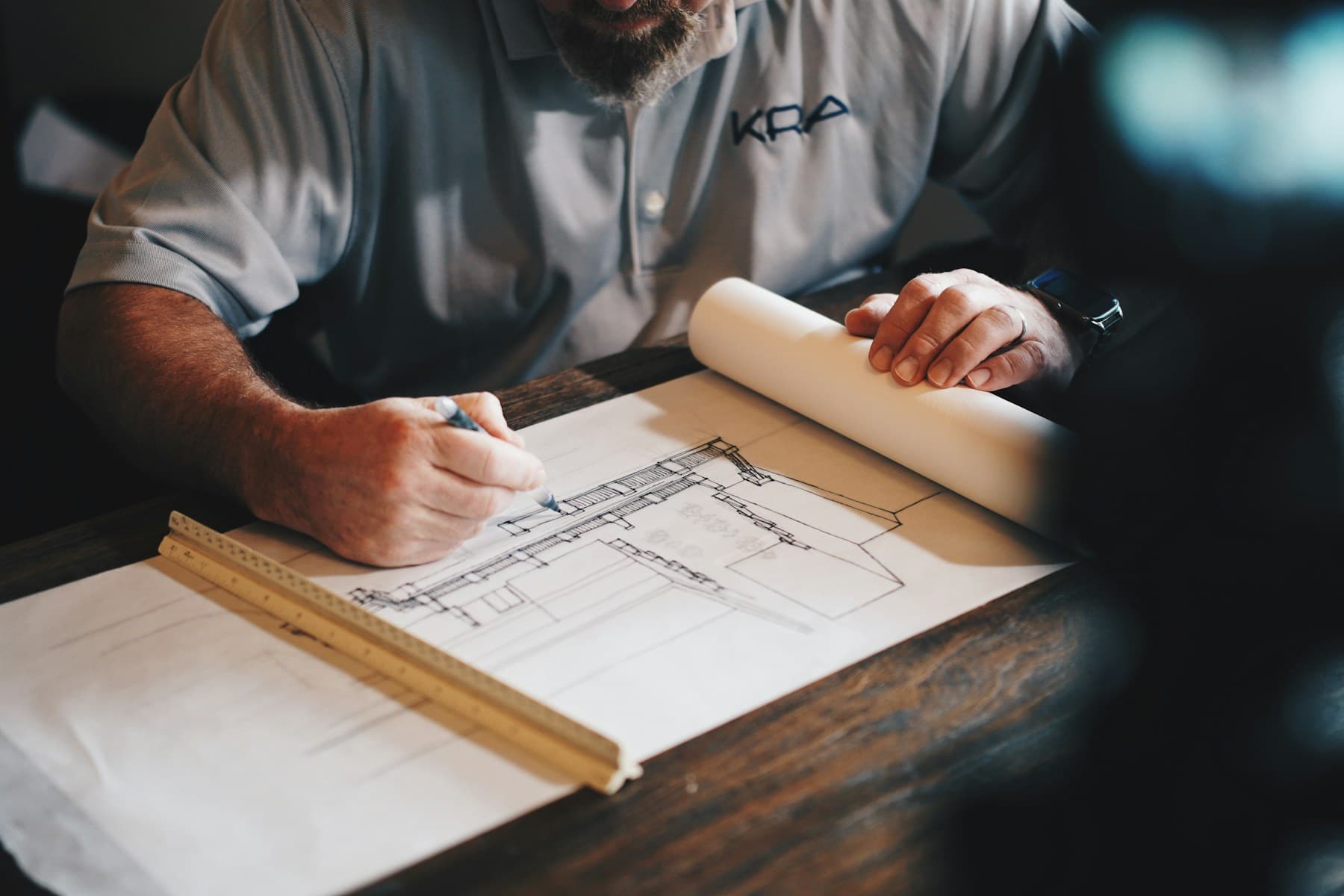
Planning a home in Jaipur? Compare interior designers by drawings, scope, site coordination and material samples—not just photographs or a headline quote.
Choosing an interior designer in Jaipur starts with a practical question: who can turn the way you live into a clear, buildable plan? A portfolio can show a visual direction, but it cannot tell you whether the designer will resolve storage, coordinate contractors or explain what is excluded from a quotation.
Whether you are fitting out an apartment in Mansarovar, renovating a family house in Vaishali Nagar or planning a home elsewhere in the city, compare the process as carefully as the pictures. The neighbourhood gives context; the actual building, orientation and household determine the brief.
Write a brief before you ask for proposals
Start with a measured floor plan, photographs and a list of things that do not work today. Describe who uses each room, when guests stay, where work calls happen and what you need to store. Include existing furniture you intend to keep. A sofa, dining table or inherited cabinet can affect the layout as much as a new partition.
Separate essentials from preferences. A usable kitchen, comfortable circulation and a quiet bedroom may be essentials; a particular wall finish may be negotiable. Share your overall spending limit and identify whether it must include appliances, loose furniture, curtains and design fees. That makes later comparisons much more meaningful.
Ask to see the decisions behind the photographs
Request a walkthrough of one relevant project, including the original constraints and the final plan. A designer should be able to explain why the furniture sits where it does, how daylight was handled and what changed during construction. An apartment fit-out and a new courtyard house involve different questions, even if their finished rooms share a palette.
Ask which images show completed work and which are visualisations. If a site visit or client reference is available with the client's permission, use it to understand communication and follow-through. Avoid treating a polished rendering as evidence of an executed detail.
Discuss Jaipur light and everyday maintenance
Bring photographs of your windows at different times of day. A west-facing living room needs a different conversation from a shaded bedroom, and an exposed balcony is not equivalent to a sheltered verandah. Ask how window treatments, furniture placement and lighting will work together in your particular rooms.
Review stone, paint, timber finishes and fabrics as physical samples. Ask how each surface is cleaned, repaired or replaced. For custom work, agree on a sample or mock-up before the full order. A material that looks beautiful in a showroom still needs to suit the way your family uses the house.
Compare the same scope, not just the total
A low headline figure is not necessarily a lower final cost. Request a written scope and an itemised estimate that uses the same assumptions across proposals. If an item is provisional, ask what decision or measurement will fix its price.
- List design deliverables: layout, detailed drawings, lighting, joinery and material schedules.
- Clarify who appoints contractors, places orders and checks work on site.
- Identify exclusions such as civil repairs, appliances, transport, installation and taxes.
- Agree how revisions, substitutions and extra work will be recorded and approved.
Make site coordination part of the agreement
Ask who your day-to-day contact will be and how frequently site reviews are included. A written decision log helps everyone work from the same approved information. Discuss how the programme will account for samples, custom fabrication, building access and the sequence of wet and finishing work.
Before handover, agree how unfinished items will be recorded, who will close them and what product information you will receive. Drawings, finish references and hardware details are useful long after the last photograph has been taken.
What should you bring to the first meeting?
Bring the plan, a few site photographs, your essential requirements and a small set of references with notes about what you like. Include the date you hope to move in, but be open about decisions that are still unresolved.
At dreaminc, our starting point for a Jaipur home is the relationship between daily life, space, material and light. The most useful first conversation is a specific one: what should this home make easier for you?
Planning your own space?
Explore our interior design portfolio or discuss your project with our Jaipur studio.